
What makes a customer stay longer in your store and drive sales? A well-designed effective store layout can boost engagement, improve navigation, and increase sales. By understanding store layout psychology and consumer behavior, you can gain a competitive edge. A good design plays a crucial role in enhancing the customer experience through effective layout. and floor plan can greatly enhance the shopping experience.
Think about how your good store layout design can influence customer behavior. store layout affects your customers. A well-planned layout can guide them, showing them your products and boosting sales chances. Knowing the psychology behind store layout that works and consumer behavior helps you design a store that meets customer needs. This sets you apart from competitors.
Key takeaways:
- A well-designed store layout can increase customer engagement and drive sales
- Understanding store layout psychology and consumer behavior is key for a good retail store layout
- A good store design and floor plan can improve navigation and boost sales
- Effective retail layout can guide customers through your store and expose them to your products
- A well-planned store layout can increase customer satisfaction and loyalty
Understanding store layout psychology and consumer behavior
When you enter a retail store, you step into a world designed to shape your shopping habits. The layout is key, guiding you through the space and arranging products to catch your eye. Around you, signs, displays, and fixtures work together to make your visit memorable.
Studies show shoppers follow a set path in stores. Retailers use this knowledge to design spaces that meet customer needs and boost sales. Environmental psychology is vital, as it crafts an atmosphere that stirs emotions and senses.
The science behind shopping patterns
Research indicates shoppers often move in a circle, starting on the right side and going counterclockwise. This path can be shaped by the store’s layout, where products are placed, and promotions.
How environmental psychology influences purchase decisions
Environmental psychology is essential in designing retail spaces. It helps create an atmosphere that affects customer behavior. By using lighting, music, and scent, stores can offer an immersive experience. This can lead to increased sales and loyalty.
| Design Element | Influence on Customer Behavior |
| Lighting | Can create a welcoming atmosphere and highlight specific products |
| Music | Can influence mood and pace of shopping |
| Scent | Can evoke emotions and create a memorable experience |
The power of first impressions. How to design store entrance
When you walk into a store, the entrance grabs your attention first. This is where the magic of first impressions happens. A well-designed entrance can make you feel welcome and eager to see more.
Think about the look and feel of your store entrance. It should match the style of your boutique, both inside and out. You want it to be welcoming and make customers feel like they’re in for a treat with an inviting store floor plan. The entrance should also be easy to get around, with clear signs and a smooth flow of people.
Some important things to think about for your store entrance include:
- Clear signage and branding
- A logical flow of traffic
- An inviting and cohesive atmosphere
- Easy navigation throughout the store
By focusing on these, you can make a great first impression. This will help set the stage for a wonderful shopping experience in your entire store.
Remember, your store entrance is more than just a first impression. It’s about creating an atmosphere that keeps customers interested. You want them to want to explore the back of the store and everything it has to offer.
Essential types of store layouts
The type of retail store layout you choose is key to a great shopping experience. A well-planned layout can make the most of your space. It also helps guide customers through your store smoothly.
In smaller stores, layouts like the spine or diagonal can make things feel more personal. They create a cozy and exclusive vibe.
Grid layout – maximizing space efficiency
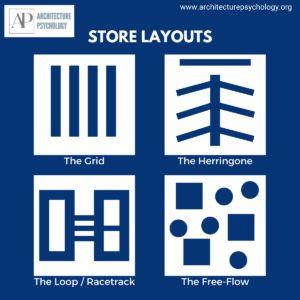
A grid store layout is perfect for making the most of your space. It’s easy to navigate and wastes little room. This layout works well in both big and small stores, depending on your product range.
Loop / Racetrack layout – dreating natural flow
A loop / racetrack layout guides customers through your store in a clear path. Frequently has a circular or oval path that shows customers different products and deals. It’s great for stores with lots of products. By placing popular items and eye-catching displays along this path, you can get customers to explore and make impulse buys. It makes shopping feel like an adventure. For example IKEA takes the loop layout in their stores.
Free-flow layout – encouraging exploration
A free-flow layout invites customers to explore and discover. It’s perfect for stores with a wide variety of products. It creates a relaxed and engaging shopping atmosphere.
Herringbone layout – optimizing small spaces
The herringbone layout is ideal for small spaces. It creates a cozy and exclusive feel. This layout is often seen in boutique, specialty stores and also libraries use the herringbone layout, what adds a touch of luxury.
Strategic product placement and visual merchandising
The area of your store near the entrance is key for a great shopping experience. Show off your best products or promotions here to attract customers. Use eye-catching displays and signs to make this spot stand out.
In the front of the store, it’s important to make it easy to move around in a store with a right store layout. Clear signs and a simple layout help customers find what they need. A well-designed entrance also makes a good first impression, encouraging customers to explore more.
A free-flow store layout offers a sense of freedom. It’s great for stores with lots of products, letting customers discover new things at their own pace.
Some key things to think about for product placement and visual merchandising include:
- Use high-impact displays and signs to highlight key products
- Make sure the store is easy to navigate
- Use lighting and color to make the store welcoming
By planning carefully, you can make shopping a fun and engaging experience. This can help increase sales and keep customers coming back.
| Store Layout | Benefits |
| Free-Flow | Encourages exploration and discovery |
| Grid | Maximizes space efficiency and ease of navigation |
| Loop | Creates a sense of flow and guides customers through the store |
The impact of traffic flow on customer behavior
When designing a retail floor, it’s key to think about traffic flow and its impact on customer behavior. A well-thought-out traffic flow can greatly improve the shopping experience. On the other hand, a bad design can cause frustration and lower sales. To make a good traffic flow, start by looking at your store’s layout and where customers usually gather.
- Design clear paths for customers to find what they need fast and easy
- Manage peak hours to reduce crowding and enhance the shopping experience
- Create effective customer journey maps to see how customers move through your store and find areas to improve
By using these strategies and thinking about your store’s traffic flow, you can make a more engaging and customer-friendly space. This can lead to more sales and happier customers.
Color psychology in store layout
When designing a retail store, it’s key to think about how color affects customers. Different colors can make people feel calm or excited. In stores, the right colors can change how customers act and help sell more. A good store design and floor plan should use color psychology to engage and immerse customers.
The walls, floors, and fixtures in stores all add to the look and feel. By picking colors that match the brand and audience, stores can feel welcoming. For instance, stores for young people might use bright colors, while stores for older folks might use softer tones.
Some important things to think about with color psychology in stores include:
- Warm colors like orange and red can make people feel excited and energetic
- Cool colors like blue and green can help people relax and feel calm
- Neutral colors like beige and gray can bring a sense of balance and stability to your store layout design.
By knowing how color affects people, stores can design spaces that sell more and make customers happy.
Lighting techniques to enhance product display
Lighting is key to making your store welcoming when you enter a store. The right lighting can make your products pop and create a cozy feel.
The type of lighting affects the shopping experience. Natural light during the day adds warmth. Artificial light at night creates drama. Accent lighting highlights products, catching the eye of shoppers.
Natural vs. artificial lighting
Natural light is always best, but it’s not always available. Artificial light fills in, ensuring a consistent feel. Mixing both creates a special atmosphere that enhances shopping.
Accent lighting
Accent lighting focuses on certain products, making them stand out. It’s great for highlighting special items or deals. This technique makes displays eye-catching and engaging.
Creating ambiance through illumination
Using these lighting techniques can make your store inviting and unique. Think about your products and the look you want when planning your lighting. This will improve the shopping experience for everyone.
| Lighting Type | Description |
| Natural Lighting | Using natural light to create a warm and inviting atmosphere |
| Artificial Lighting | Using artificial light sources to supplement natural lighting |
| Accent Lighting | Using lighting to draw attention to specific products or areas |
Maximizing customer comfort zones
When designing a space, think about your customers’ comfort and convenience. Make sure the store feels welcoming with amenities like seating and restrooms. A well-thought-out layout can boost customer happiness and loyalty.
A herringbone layout can make your store feel cozy and special. It has zig-zag shelves and displays that guide customers. This layout makes shopping a fun and unique experience.
Here are some layout design tips to improve customer comfort in your store:
- Provide cozy seating for customers to relax.
- Offer free Wi-Fi and charging stations.
- Use music and lighting to create a welcoming vibe.
By focusing on customer comfort, you can make shopping a great experience. This will keep customers coming back to your store.
Customer comfort is key to a successful retail experience. By designing a retail space that is welcoming and convenient, you can create a positive and engaging shopping experience that will drive customer satisfaction and loyalty.
Creating experiential retail spaces
Creating a unique shopping experience is key. Experiential retail is vital in your stores. A good layout makes customers explore and interact, building community and loyalty.
You can add interactive displays, tech integration, and sensory experiences. These elements make your stores stand out. For example, virtual reality can turn your store into an interactive playground. This encourages customers to share their fun on social media.
- Use technology like mobile apps or digital signs to improve the shopping experience.
- Design sensory experiences, like scents or lights, to leave a lasting impression.
- Create interactive areas, like VR or hands-on demos, to engage customers.
By using these strategies, you can offer a unique and memorable shopping experience. This will boost customer loyalty and make your stores leaders in experiential retail.
Measuring store layout effectiveness through analytics
When designing your space, using analytics is key. It helps measure how well your layout works. By tracking things like foot traffic, sales, and customer happiness, you can make smart choices to improve your store.
By checking these metrics, you can spot areas to get better. Maybe some products aren’t getting enough attention, or the store’s flow isn’t right. Analytics help you make your layout more effective, boosting sales and customer happiness.
Also, tools like heat maps and customer journey maps can show how people move through your store. They help you see where customers are most engaged. This way, you can make your layout better to increase sales and satisfaction.
| Metric | Description |
| Conversion Rate | The percentage of customers who make a purchase |
| Average Dwell Time | The amount of time customers spend in the store |
| Customer Satisfaction | Measured through surveys or feedback forms |
Adapting your layout for seasonal changes
As a retailer, you know how key a good store design is. A well-thought-out floor plan can greatly enhance the shopping experience. For seasonal changes, a grid layout is a smart choice. It keeps things consistent and familiar for your customers.
A grid layout makes it simple to move things around for new displays and promotions. You can use seasonal themes to add excitement and urgency. This can boost sales and keep customers coming back. By adding seasonal touches, your store becomes a unique and engaging place.
When changing your layout for the seasons, keep these points in mind:
- Flexibility: Make sure your floor plan can change easily for new displays.
- Consistency: A grid layout helps customers find their way around.
- Visual appeal: Add seasonal themes to make your store look great and immersive.
Adapting your layout for the seasons can help you stay ahead. It makes your store a special and engaging place for customers. Keep your design fresh and try new things to keep things exciting.
With creativity and planning, you can make a store that draws in customers. This can help your business grow and succeed.
| Season | Layout Adaptations | Visual Elements |
| Winter | Cozy and intimate layout, with warm lighting and textures | Snowflakes, pinecones, and festive decorations |
| Summer | Light and airy layout, with bright colors and natural textures | Beach balls, sunglasses, and tropical flowers |
Conclusion
Creating a great retail store layout needs a deep understanding of how people think. By using store layout psychology, you can make a shopping space that grabs your customers’ attention. This boosts your business success.
Every part of your store’s design matters. From where you place products to how people move around, think about it all. This makes shopping better for your customers.
When you use psychology in your store layout, keep watching and changing. Look at how customers act, listen to what they say, and tweak your store. This keeps your floor plan fresh and interesting for your customers.
FAQ
Q: How does traffic flow impact customer behavior in a retail store?
Traffic flow greatly affects how customers behave. Stores should design layouts that guide traffic well. This includes creating clear paths and managing busy times.
Q: What role does color psychology play in retail environments?
Color psychology is very important in retail. It can change how customers feel and act. Stores should pick colors that match their brand and appeal to their audience.
Q: How can lighting techniques be used to enhance product display?
Lighting can make products look better and make the store feel welcoming. Stores should use both natural and artificial light. Accent lighting can highlight products and set the mood.
Q: What are the different types of store layouts?
There are various types of store layouts including grid layout, loop store layout, spine layout, angular store layout, diagonal store layout, and mixed layout. Each type serves different merchandising strategies and can influence customer behavior in unique ways.
Q: Why is store layout important for retail success?
Store layout is important because it affects how customers navigate the store, the time they spend in different areas, and ultimately their purchasing decisions. An effective retail store layout can enhance customer experience and boost sales.
Q: What are some effective retail store layout design tips?
Some effective retail store layout design tips include creating a welcoming entrance, strategically placing popular items in the center of the store, using signage to guide customers, and ensuring that the flow of the layout is intuitive and encourages exploration.
Q: How can I choose the right store layout for my business?
Choosing the right store layout involves assessing your type of products, target customers, and space. Consider how each layout type, such as grid or mixed layout, can showcase your merchandise effectively while optimizing customer movement.
Q: What is a mixed layout in retail design?
A mixed layout combines elements from various layout types, allowing for flexibility and creativity in store design. This approach can enhance the shopping experience by accommodating different product categories and customer preferences.
Q: How do store displays influence retail layout?
Store displays play a crucial role in retail layout as they draw attention to key products and create focal points within the store. Effective displays can guide customers along their path through the store and encourage impulse buying.
Q: What factors should I consider when creating a floor plan?
When creating a floor plan, consider the flow of traffic, the location of entrances and exits, the placement of displays, and how different areas of the store can be utilized effectively. It’s essential to ensure that customers can easily navigate the store.
Q: How can I use a geometric store layout to enhance my retail space?
A geometric store layout utilizes shapes and angles to create visually interesting paths through the store. This layout can help guide customers through different areas and can be particularly effective for showcasing specific products or promotions.
Q: What are some merchandising strategies related to store layout design?
Merchandising strategies related to store layout design include placing high-demand items in the back of the store to draw customers in, using variations of the grid layout to organize products, and creating themed areas to enhance the shopping experience. Stores should place products wisely and use displays to show off top items or deals.