
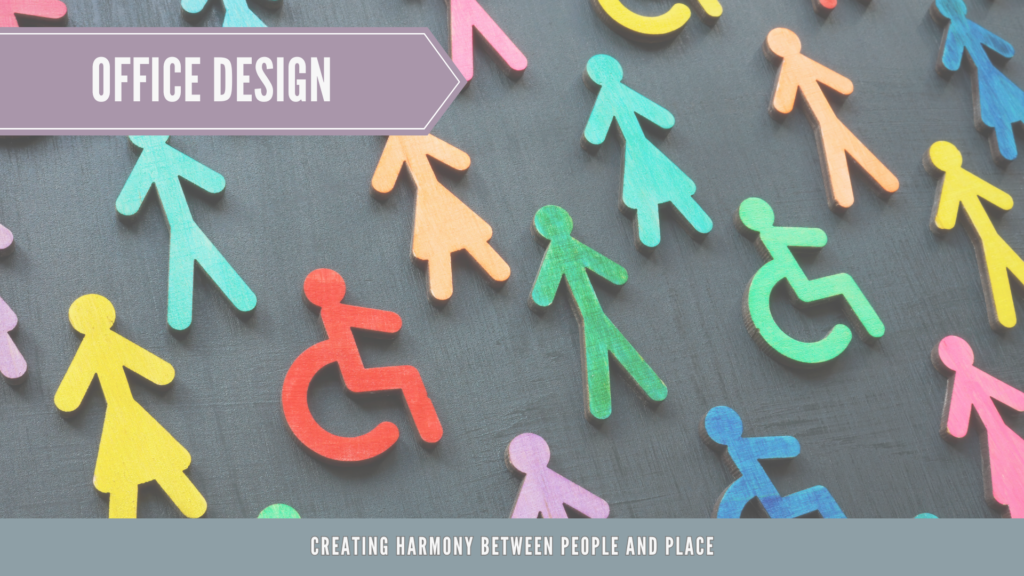

Neurodiverse office space is becoming more popular as companies realize how crucial it is to foster an inclusive workplace.
In the current professional environment, simply adhering to regulations is insufficient; organizations need to actively support neurodiversity.
By creating a culture that genuinely values the unique perspectives of neurodivergent individuals, such as those with autism and ADHD, businesses can tap into significant potential. This discussion highlights the significant development of an office, underlining the importance of inclusivity and the strategic initiatives implemented to improve the workplace experience for all employees.
Key takeaways:
- Neurodiversity inclusion enhances workplace culture by leveraging diverse strengths and perspectives.
- Physical space adaptations like flexible lighting, adaptive furniture, and quiet zones foster inclusivity.
- Sensory-friendly solutions reduce stress and improve productivity for neurodivergent employees.
- Education and training help build empathy, reduce stigma, and promote a culture of understanding.
- Measuring success through employee feedback and data ensures continuous improvement and a supportive environment.
What is neurodiversity and why is it important in the workplace?
Neurodiversity refers to the natural variation in human brain function and behavior, encompassing a range of neurological differences such as autism, ADHD, dyslexia, and more.
Understanding neurodiversity involves recognizing that these variations are not deficits but rather different ways of processing information and interacting with the world.
In the workplace, acknowledging neurodiversity means moving towards a more inclusive and supportive work environment that respects and values the contributions of neurodivergent individuals.
This initiative is crucial as it sets the foundation for diversity and inclusion practices that benefit the organization as a whole.
The impact of neurodiversity on workplace dynamics
Embracing neurodiversity can have a transformative impact on workplace dynamics.
When organizations foster an inclusive atmosphere, neurodivergent employees often exhibit higher engagement and satisfaction levels. These employees bring unique problem-solving skills, creativity, and perspectives that can lead to innovative solutions and enhanced productivity.
By integrating neurodiversity at work, companies can break down barriers and create a collaborative environment where diverse minds work harmoniously, ultimately driving success and growth.
Benefits of embracing neurodiversity in your organisation
Incorporating neurodiversity within an organization offers numerous advantages.
Firstly, teams with varied perspectives generally perform better than more homogenous groups, as their different approaches lead to innovative solutions for problems and projects.
Additionally, organizations that prioritize inclusivity gain a competitive edge in recruitment, allowing them to access a wider talent pool and effectively retain skilled neurodiverse individuals.
Moreover, fostering a neurodiverse workplace can enhance a company’s reputation, as organizations receive increased recognition for their commitment to accessibility and social responsibility.
These combined advantages not only improve workplace culture but also have a favorable impact on the organization’s financial performance, making inclusivity both a moral responsibility and a strategic business decision.
What challenges do neurodivergent employees face in traditional work environments?
Common misconceptions about neurodivergent individuals
Despite growing awareness of neurodiversity, misconceptions about neurodivergent individuals persist in traditional work environments. Many people erroneously believe that neurodivergent employees are less capable or productive than their neurotypical counterparts. Such stereotypes can lead to discrimination and exclusion, undermining the potential contributions of neurodiverse individuals.
Education and awareness training are essential to dismantling these misconceptions, fostering empathy, and promoting a more inclusive culture where neurodivergent employees feel valued and empowered.
Workplace accommodations for neurodivergent employees
Workplace accommodations are essential for supporting neurodivergent employees and enabling them to perform at their best.
Common accommodations include flexible working hours, remote work options, and the ability to customize workspaces to suit individual preferences.
Additionally, providing access to assistive technology and resources, such as organizational tools or counseling services, can further enhance the work experience for neurodiverse individuals.
By implementing these accommodations, organizations demonstrate their commitment to inclusivity and create an environment where neurodivergent employees can thrive.
Tips for neurotypical and neurodivergent employees
Navigating social interactions can be challenging for both neurotypical and neurodivergent employees.
To foster an inclusive atmosphere, organizations can implement team-building activities that encourage social connections and promote understanding among all employees.
Neurotypical colleagues should be educated on the diverse communication styles and social cues of neurodivergent individuals to facilitate better interactions.
At the same time, neurodivergent employees should be supported in developing social skills and strategies for effective communication. This dual approach helps bridge the gap between different experiences and creates a more cohesive work environment.
How can companies foster an inclusive workspace for neurodivergent employees?
Identifying and addressing barriers to inclusivity
To create an inclusive workspace for neurodivergent employees, companies must first identify and address existing barriers to inclusivity.
Common challenges include rigid work hours, sensory overload from open-plan offices, and a lack of understanding among neurotypical colleagues regarding neurodivergent needs.
Conducting assessments to evaluate workplace conditions and gathering feedback from neurodiverse employees can help organizations pinpoint these obstacles.
Also, by actively listening and making necessary adjustments, such as offering flexible working arrangements and creating a sensory-friendly environment, companies can pave the way for neurodivergent employees to thrive.
Strategies for supporting autistic and ADHD employees
Supporting autistic and ADHD employees requires tailored strategies that consider their unique needs and strengths.
For autistic individuals, providing clear communication, structured tasks, and visual aids can greatly enhance their ability to perform in the workplace.
For those with ADHD, implementing strategies such as task prioritization, regular check-ins, and minimizing distractions can improve focus and productivity.
Organizations should also prioritize mentorship programs that encourage neurotypical employees to connect with their neurodivergent colleagues, fostering an environment of mutual understanding and respect.
Creating sensory-friendly work environments
A sensory-friendly work environment is vital for neurodivergent employees, particularly those with sensory sensitivities. Organizations can achieve this by designing workspaces that minimize noise, provide adjustable lighting, and incorporate quiet areas for breaks. Additionally, offering tools like noise-canceling headphones or fidget devices can help neurodiverse employees manage sensory overload.
By prioritizing inclusive design, companies can ensure that their work environment accommodates the diverse sensory needs of all employees, ultimately leading to enhanced well-being and productivity.
How to measure productivity in a neurodiverse workplace?
Key performance indicators for inclusive workplaces
Measuring productivity and success in a neurodiverse workplace requires the establishment of key performance indicators (KPIs) that reflect inclusivity. These KPIs may include employee engagement levels, retention rates of neurodivergent employees, and overall team performance metrics.
Additionally, organizations can assess the effectiveness of their diversity and inclusion initiatives by tracking participation in training programs, mentorship opportunities, and employee feedback on inclusivity measures.
Assessing the effectiveness of neurodiversity inclusion initiatives
To ensure that neurodiversity inclusion initiatives are effective, organizations should regularly assess their programs and policies. This can be achieved through employee surveys, focus groups, and one-on-one discussions with neurodivergent employees. Gathering qualitative and quantitative data will provide insights into how well the organization is meeting the needs of its neurodiverse workforce.
By continuously evaluating and refining these initiatives, companies can adapt to the evolving needs of their employees and foster a more inclusive workplace.
Listening to neurodivergent employees
Implementing feedback mechanisms is crucial for listening to neurodivergent employees and ensuring their voices are heard. Organizations should create safe and open channels for feedback, such as anonymous surveys or dedicated forums for discussion.
By actively soliciting input from neurodiverse employees, companies can identify areas for improvement and address any challenges faced in the workplace. This two-way communication not only empowers neurodivergent individuals but also reinforces the organization’s commitment to inclusivity and continuous improvement.
What steps can organizations take to ensure continuous improvement in neurodiversity inclusion?
To ensure continuous improvement in neurodiversity inclusion, organizations must focus on creating a work environment that adapts to the diverse sensory and cognitive needs of neurodivergent individuals. Architectural psychology plays a key role in this, as physical space has a profound impact on behavior, cognition, and well-being.
Here are some steps organizations can take:
- Conduct a workspace audit with a focus on sensory needs
Start by assessing the current workspace to identify areas that may cause sensory overload or discomfort for neurodivergent employees. Consider factors such as lighting, noise levels, spatial layout, and color schemes. By addressing sensory sensitivities through design, such as providing soft lighting or soundproofing, you can create a more comfortable and productive environment. - Create zoning for different needs
Architectural psychology suggests the use of space zoning to cater to varied needs. This could mean designing quiet zones for employees who require focus or breaks in a low-stimulation environment, as well as collaborative spaces for creative brainstorming or group work. Zoning allows employees to have flexibility based on their preferences and needs, improving both productivity and well-being. - Flexible and adaptable workspaces:
Workspaces should be designed to be adaptive and flexible. Furniture and layout should allow employees to tailor their environment to suit their work style, such as the ability to move desks or adjust seating arrangements. Neurodivergent employees, particularly those with conditions like ADHD or autism, may benefit from customizable spaces that support their need for structure or sensory control. - Incorporate Nature
Biophilic design, which incorporates natural elements such as plants, natural lighting, and organic materials, can significantly enhance employee well-being. Research in architectural psychology has shown that exposure to nature reduces stress and improves cognitive function. Integrating biophilic elements can create a calming, grounding environment for neurodivergent employees, reducing anxiety and improving focus. - Ongoing employee feedback and space adjustment
Building a workspace that caters effectively to neurodivergent individuals is a journey, not a race. By engaging in ongoing discussions with employees about how to enhance the physical space, you can gather valuable insights to guide improvements. Their feedback is crucial for making necessary changes, allowing the workspace to transform over time into an inclusive setting that supports neurodivergent team members and fosters a sense of belonging for everyone involved.
FAQ
What is neurodiversity inclusion in the workplace?
Neurodiversity inclusion refers to creating a work environment that accommodates and supports individuals with neurological differences, such as ADHD, autism, and dyslexia, enabling them to thrive alongside their neurotypical colleagues.
Why is neurodiverse inclusion important for our organization?
Neurodiversity inclusion boosts creativity, enhances problem-solving, improves employee satisfaction, and fosters a more innovative and supportive workplace culture that benefits all employees.
What are some practical ways to make our workplace more inclusive?
Start with sensory-friendly adjustments, such as flexible lighting and quiet zones. Implement clearer communication methods, offer adaptive technology, and provide ongoing training to raise awareness about neurodiversity.
How can we measure the impact of neurodiversity inclusion efforts?
Track metrics like employee satisfaction, retention, and productivity. Regularly gather feedback from neurodivergent employees to assess the effectiveness of inclusion initiatives and ensure a welcoming environment for all.
What challenges might we face when implementing neurodiversity inclusion?
Common challenges include budget constraints, resistance to change, and a lack of awareness. Overcome these by starting small, involving key stakeholders, and continuously educating the team on the benefits of neurodiversity.