
In this article about barriers in life, you will explore:
- The evolution of design in breaking down barriers
- Viewing barriers through a social lens
- How design influences human interaction
- Intellectual and cultural barriers in design
- Barriers within science and technology
- Practical tips for designers to overcome these challenges
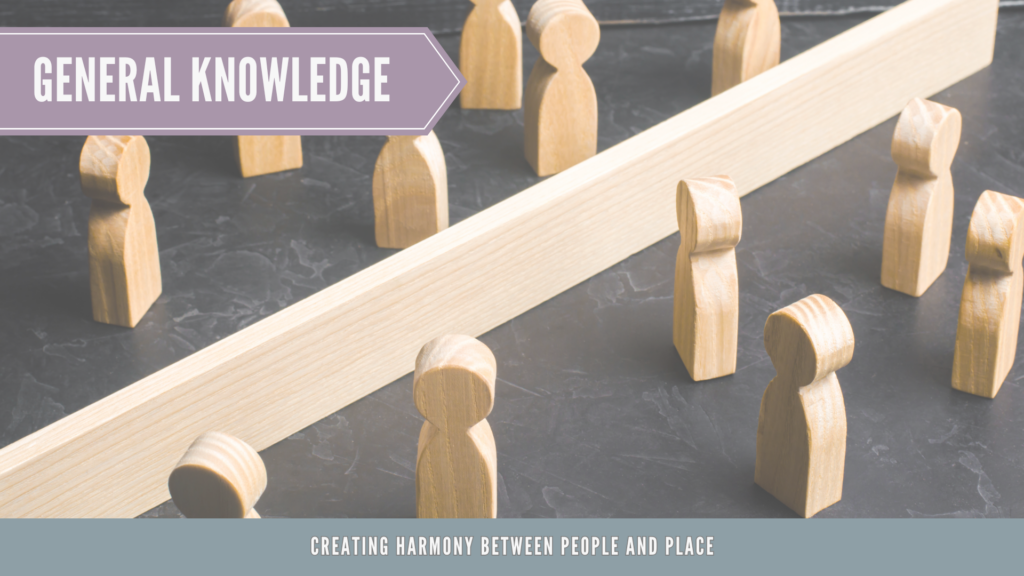
Some barriers are physical, such as stairs that prevent wheelchair access, some are social, cultural or psychological. And people experience these barriers differently largely based on their identities, background, and lived experience.
Over the past decade, Diversity, Equity, and Inclusion (DEI) principles have become the lens through which we are reimagining how design is used to untwine these barriers and to build more inclusive environments.
Written with a focus on how our built environments create and shape social interactions. Therefore individual well being, this article explores the intersection of DEI and design. In the end, it wishes to contribute to understanding how design can become a force for self improvement and social progress, when informed by DEI principles.
The evolution of design as a barrier breaker
Design has always been about problem solving. Later, early humans sharpened rocks for hunting, and then added handles to make it more comfortable and efficient. In this sense, design has always been about removing barriers to survival and well being. But as societies grew the barriers did also, they grew into increasingly socially, culturally, institutionally bound ones.
Today, design must address more than physical limitations. It must consider how barriers manifest in complex social landscapes and how these can be overcome to promote equity and inclusion. For instance, when designers create spaces without accounting for the needs of marginalized communities, they unintentionally reinforce existing inequalities. A striking example is how modern cities often favor car travel, sidelining people who rely on public transportation, disproportionately affecting lower-income communities.
Seeing barriers through a social lens
Physical access is just the beginning when it comes to design: there are less visible barriers that keep different groups from feeling good in the world, and design must address both. The DEI framework requires constant consideration of the fact that something we thought of as insignificant for a moment may be an insurmountable obstacle for another person. For example, a narrow doorway. While this may be only a minor inconvenience for some, for a person in a wheelchair it can become a life-threatening barrier in an emergency.
This is where the idea of universal design enters into play. Creating spaces and products that everyone can use no matter age, ability, or background. Universal design is a departure from accessible design, which is designed to accommodate specific needs.Iinstead intends to build environments for everyone where no one is singled out and left behind. Consider curb cuts, for example, first designed for the benefit of wheelchair users, but that also serve the elderly using walkers, the parents with strollers, and even cyclists.
How design shapes human interaction
More than specifying how we move through space, design has an impact on the way we interact with people. Good design can lead to social connection; bad design prevents it. For example, people live in social and psychological isolation in neighborhoods designed for cars that are car-oriented neighborhood design. But this lack of interaction can grow social divides and make marginalized people feel more marginalized.
The benches, wide sidewalks and greenery, as one study by Jan Gehl, a Danish urban designer, found, lends to a sense of community when people are more likely to spontaneously engage in conversation. It becomes particularly important for marginalized groups that feel excluded in spaces that aren’t intentionally made for them. This study shows how comprehensive design can be a useful weapon for smashing the social boundaries and increasing inclusiveness.
Intellectual and cultural barriers in design
Physical barriers are not the only thing, barriers also exist in the intellectual and cultural world. A design that does not take into account the ways in which people experience the world. It can prevent entire groups from joining the cultural or intellectual sphere. For example, a library without resources in multiple languages or without adaptive technology for the visually impaired inadvertently hinders access to the library for students who are not native speakers or students with disabilities.
The literary world has long used the metaphor of barriers to explore social exclusion. Franz Kafka’s The Castle, for example, illustrates the frustration of overcoming bureaucratic barriers that prevent meaningful engagement. Similarly, marginalized communities often face intellectual and cultural barriers that prevent them from accessing opportunities. DEI-based design thinking, however, challenges us to challenge and remove these barriers, enabling a more inclusive cultural and intellectual landscape.
Barriers in science and technology
Barriers also exist in science and technology, fields that have traditionally been exclusive rather than inclusive. One recent initiative to address these inequities is the growing emphasis on inclusive design in technology. It is particularly in the development of accessible software and hardware that addresses the diverse needs of users. Microsoft’s Inclusive Design Toolkit, encourages developers to design technology that benefits users of all abilities, thus creating technology that works for everyone, not just the able-bodied or tech-savvy.
Practical tips for designers:
- Designers should start by understanding the diverse experiences of the people who will interact with their creations. Conduct interviews, create user personas that reflect different identities, and test designs with different users to ensure integration.
- Instead of creating additions or modifications, apply universal design principles that make spaces usable for everyone. This creates environments where no one feels excluded or singled out.
- Explore how social norms and expectations are built into the space. For example, consider how gender-neutral restrooms make public spaces more welcoming to transgender and nonbinary people.
- Include diverse voices in the design process, not just as end users, but as co-creators. This helps avoid inadvertently reinforcing inequities in design solutions.
- Rely on research and evidence to understand how different groups experience spaces differently.
Barriers are part of the human experience. But by embracing the principles of diversity, equity and inclusion, designers can play a key role in removing these barriers. Through thoughtful, universal design, we can create environments that promote well-being, support the community and ensure everyone has equal access to the opportunities around them.
Ultimately, design is not just about creating functional or beautiful spaces. It’s about understanding how people move through the world and ensuring that these spaces enhance rather than exclude. By taking a DEI-based approach, designers have the power to shape a future. Future where everyone can thrive, where barriers no longer limit human potential, but instead create opportunities for connection and growth.