
The world is aging at an unprecedented rate. According to the World Health Organization (WHO), the global population aged 60 and older will reach 2 billion by 2050.
As we age, our homes are being transformed from mere places of comfort and familiarity into essential elements of our well-being. The concept of “aging in place” emphasizes the importance of creating spaces that evolve with the changing needs of aging homeowners, allowing them to live independently for as long as possible. For aging homeowners, this treasure chest must be filled with security, comfort and adaptability, ensuring that the home remains a place of refuge and joy throughout the golden years.
Looking to the future, adaptive design principles will become increasingly important in meeting the needs of the growing elderly population. By prioritizing the psychological aspects of design and introducing practical solutions, we can help aging homeowners maintain their independence, dignity and quality of life.
In the words of Le Corbusier
“The home should be the treasure chest of living.”
The psychological aspect of architecture can significantly affect the way aging homeowners perceive and interact with their living spaces. As people age, their cognitive and sensory abilities often change, affecting the way they experience their environment.
One study found that perceptions of one’s home environment significantly affect the well-being of older people. People who felt that their homes were well designed to meet their needs experienced higher levels of satisfaction and reduced feelings of isolation. This shows that adaptive design is not only about physical changes, but also about creating an environment that supports mental and emotional health.
The principles of aging in place focus on creating spaces that are adaptable, accessible and easy to navigate. This includes features such as wider doors to accommodate mobile devices, non-slip floors to prevent falls, and good lighting to compensate for impaired vision. But beyond these physical adjustments, the design should also meet the emotional and psychological needs of the residents.
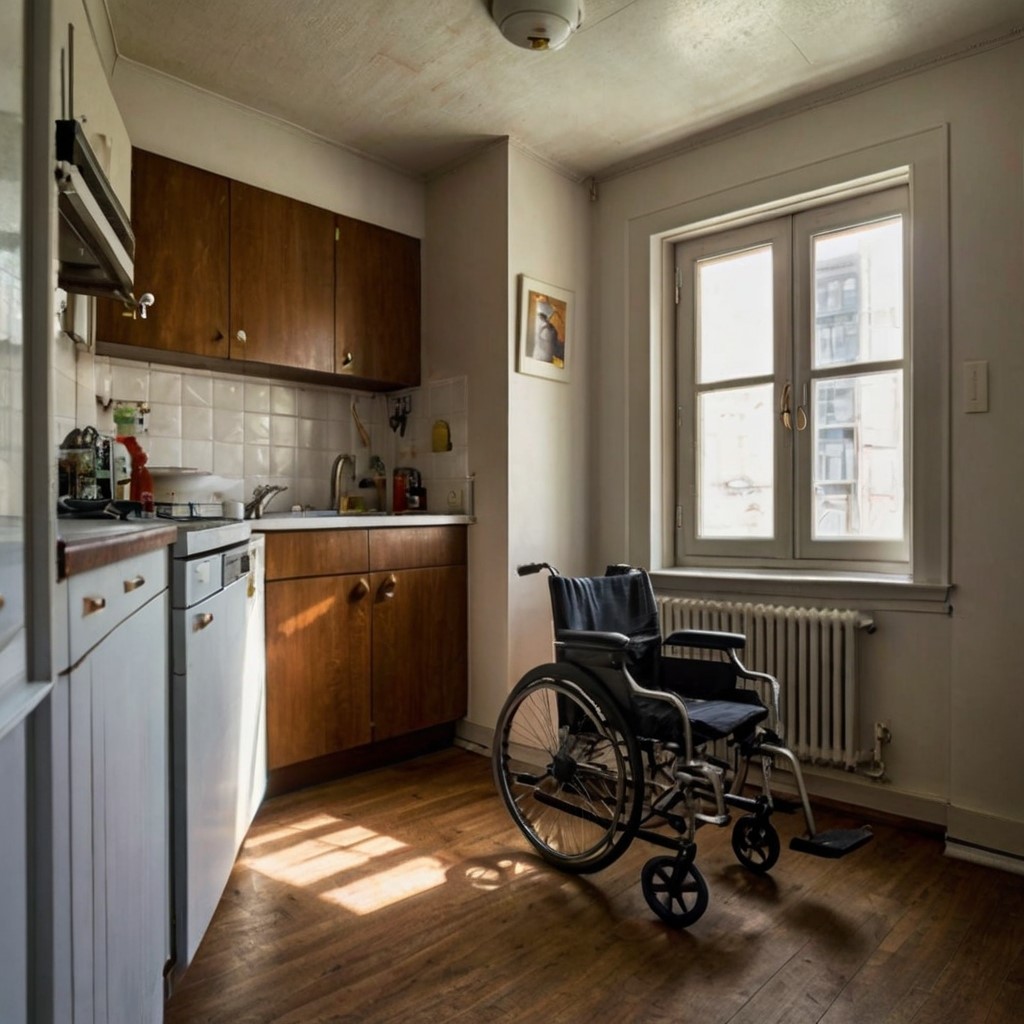
As we age, our homes evolve from mere spaces of comfort to essential elements of our well-being. Beyond physical accessibility, the design of our living environments plays a huge role in shaping our emotional and cognitive experiences. This section explores the multifaceted ways in which interior design can support aging in place by fostering a sense of belonging, promoting mental health and facilitating social interactions.
In interior design, nostalgia can be used to evoke positive emotions and memories, creating a feeling of comfort and belonging. Incorporating familiar elements from an individual’s past, such as textures, colors, or furniture styles, can make a space emotionally resonant. For older homeowners, these familiar cues can improve mental well-being by reinforcing positive associations and promoting cognitive recall. Therefore, design is essential in helping individuals maintain their sense of identity as they age. Additionally, the use of color in a home can impact mood and cognitive function. Soft, warm colors like beige, soft blues, and greens can create a calming atmosphere.
The role of design in promoting social interaction, both in person and online, is crucial. By creating welcoming communal spaces in the home, such as open living areas or inviting outdoor patios, individuals can encourage gatherings with family and friends. These design features foster a sense of community and help reduce the risk of isolation. Additionally, the layout of a home can either facilitate easy movement or create unnecessary obstacles. Open floor plans are generally more conducive to aging in place, as they provide ample space for mobility aids and reduce the risk of tripping. Creating clear and direct pathways between essential areas, such as the bedroom, bathroom, and kitchen, can also make daily tasks easier and less stressful.
The integration of natural elements such as plants, natural light and outdoor views, known as biophilic design, has been shown to have a positive impact on reducing stress and improving mental health. By including greenery indoors, natural materials such as wood and stone, and large windows that let in plenty of natural light, homes can promote well-being. These features help create a calming and rejuvenating environment, which is especially helpful for older people who spend a lot of time indoors. Adequate lighting is also crucial for the elderly, as natural light can regulate sleep patterns and prevent accidents and feelings of depression and disorientation. Task lighting, ambient lighting and well-placed windows can help create a safer and more uplifting living space.
Another aspect to consider is multi-generationalism. As family dynamics evolve, there is a growing trend toward multi-generational living, which calls for home designs that can meet the needs of different age groups at the same time.
Technology Integration
While smart home technology is an essential part of aging in place, a deeper exploration of new technologies reveals how they can further promote independence:
In the end, we all know that any change to a home comes with an expense. For homeowners on a tight budget, there are many ways to customize a home without incurring significant costs. Practical tips include making home modifications yourself, such as installing grab bars or non-slip flooring, and seeking out government grants or subsidies designed to help aging homeowners modify their homes. Prioritizing small but significant changes, such as improving lighting or adding ramps, can make a significant difference without breaking the bank.
Investing in modifications to facilitate aging in place not only improves daily living, but also increases the long-term value of the home. These modifications, such as wider doorways, stepless entrances or accessible bathrooms, make homes more attractive to potential buyers, especially as the demand for age-friendly housing grows.
Now let’s see real examples of adaptations of the “aging in place” concept.
Apartment renovation
Resident: Maria, 72, retired teacher
Space: 49 sqm, one-bedroom apartment
Challenges:
Solutions:
Outcome:
Maria’s apartment now combines modern style with practical accessibility. The open layout and wider doorways allow for easy navigation, while the renovated bathroom and kitchen enable her to maintain independence in daily tasks. The smart home features provide an added layer of convenience and security.
Home renovation
Residents: Robert (68) and Katarzyna (65), semi-retired couple
Space: 230 sqm, two-story home
Challenges:
Solutions:
Outcome:
Robert and Katarzyna can now comfortably age in place in their family home. The first-floor master suite provides a convenient living option, while the stair lift ensures continued access to the entire house. The kitchen remodel and smart home features enhance their daily living experience, promoting independence and safety.